

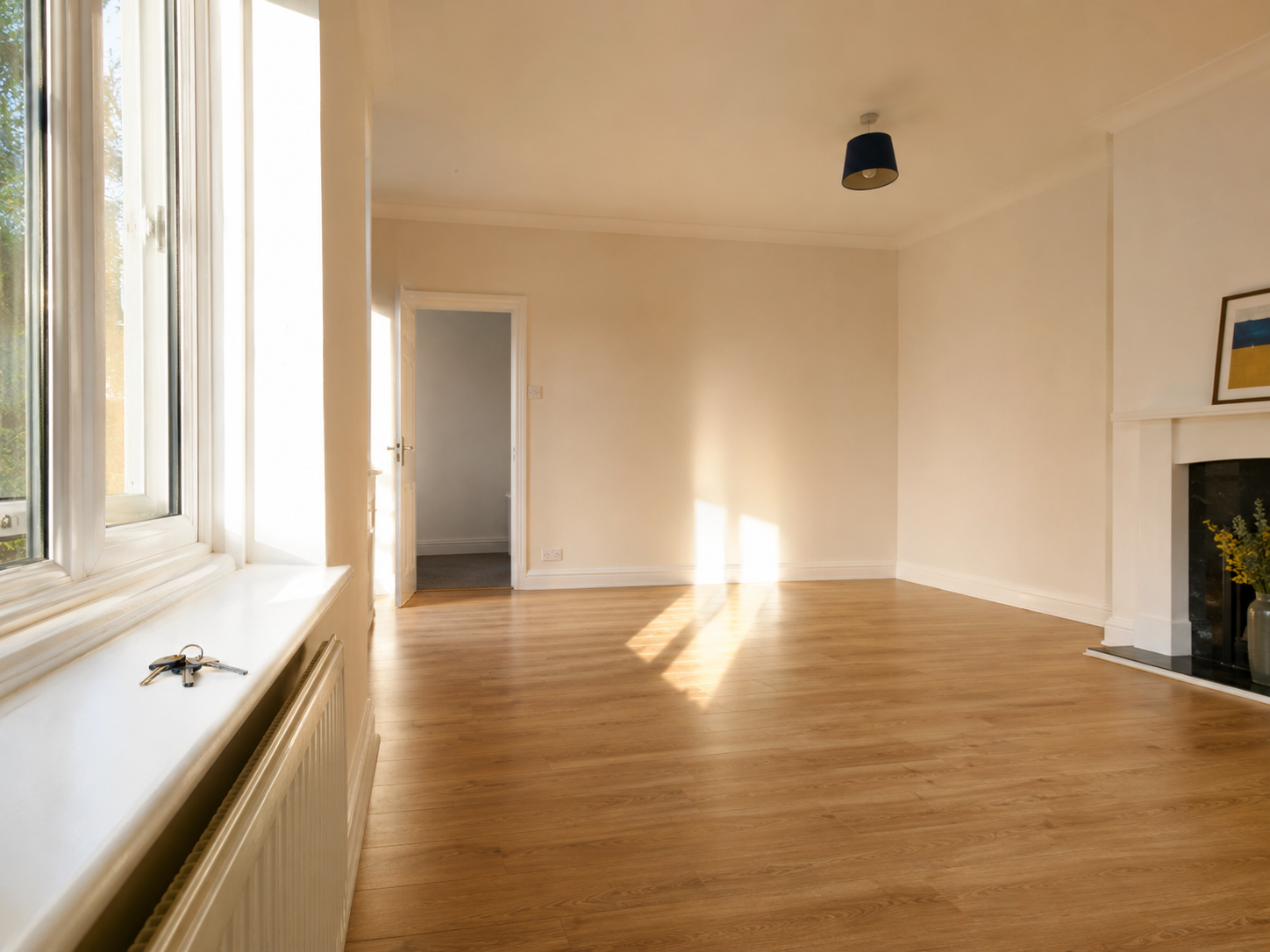
The end of a tenancy has a way of becoming a rush. Keys are due back on a specific day, and whatever’s still in the property on that day becomes a problem — usually an expensive one.
Here’s how to leave cleanly, whichever side of it you’re on.
If you’re the tenant
Start with the inventory. Dig out the one you signed at the start. It’s the document your deposit will be judged against, so it tells you exactly what “as you found it” actually means.
Clear everything, including the awkward things. The stuff that gets left behind is nearly always the same: bulky furniture that won’t fit in the car, a mattress, a broken chest of drawers, garden items, half-used paint tins, and whatever’s in the loft or shed.
If it’s too big for your car, sort it before the last day. Bulky waste collections and clearance bookings both need lead time.
Don’t leave things “for the next tenant.” It’s a kind thought, and landlords almost always treat it as rubbish you’ve dumped — and charge for removing it.
Then clean. Oven, fridge, bathroom, floors, and the marks on the walls. This is where most deposit deductions come from.
Photograph everything once it’s empty and clean, with the date on. Every room, plus the oven and fridge. It costs nothing and it’s your evidence if there’s a dispute.
The deposit maths worth knowing
Landlords charge for clearance and cleaning at commercial rates, and they’re not shopping around on your behalf.
Booking a clearance yourself is almost always cheaper than having it deducted from your deposit. If you’ve got a sofa and a bed to shift and no van, that comparison is usually stark.
If you’re the landlord or agent
Do the check-out inspection promptly and document it thoroughly — photographs, dated, room by room.
Be careful with belongings left behind. Items left by a former tenant aren’t automatically yours to dispose of, and there are rules around how you handle them. If anything of apparent value has been left, take advice rather than binning it — particularly if the tenant left in difficult circumstances.
Turn the property around quickly. Every empty week costs rent. A same-day or next-day clearance often pays for itself before the first viewing.
Use a licensed carrier and keep the paperwork. Waste from a rental property is your responsibility as the person arranging its removal. If it ends up fly-tipped, that waste transfer note is what protects you.
Student houses, specifically
Student properties see the most dramatic end-of-tenancy clearances, and the pattern is predictable: everyone leaves at once, over about a week, and whatever won’t fit in a car stays put.
If you’re a student, the fix is simple — decide early what’s coming with you, what’s going into storage for the summer, and what needs clearing. Then book it before the last week, when everyone in the city is trying to do the same thing.
A realistic timeline
- Three weeks out: decide what’s going with you and what’s being cleared
- Two weeks out: book the clearance and any moving help
- One week out: sell or donate anything usable
- Final days: clearance, then clean
- Last day: photograph everything, empty and clean, and hand back the keys
FAQ
Who pays for clearing a rental at the end of a tenancy? The tenant is normally responsible for leaving the property clear. Anything left behind is usually removed by the landlord and deducted from the deposit, typically at a higher cost than arranging it yourself.
Can a landlord throw away belongings left by a tenant? Not automatically. There are rules around handling goods left behind, and it’s worth taking advice before disposing of anything that appears to have value.
How much does an end of tenancy clearance cost? It depends on volume and access. Clearing a few bulky items costs far less than a full property, and booking it yourself is usually cheaper than a deposit deduction.